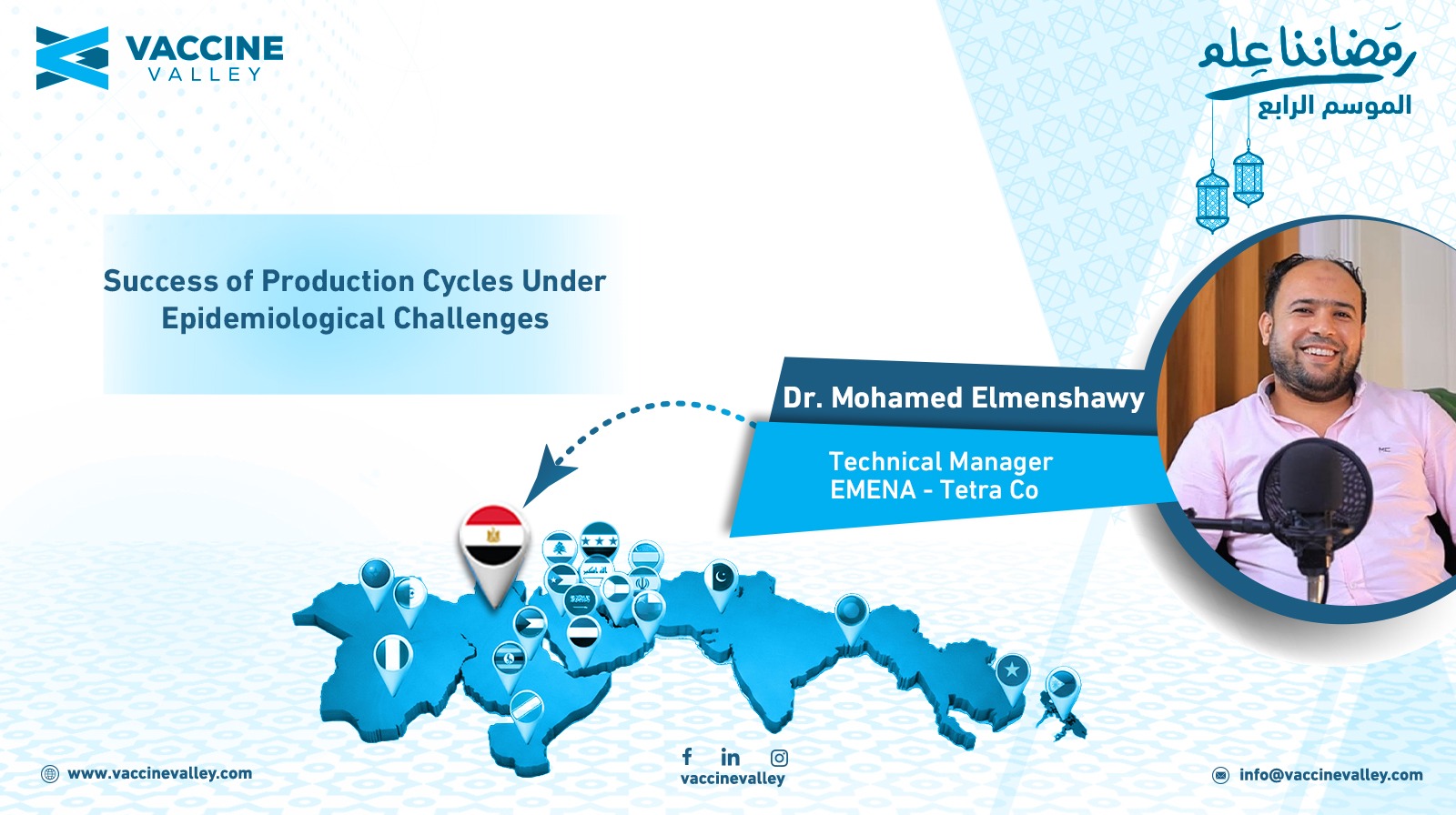
The poultry industry holds immense economic significance, contributing to food security, job creation, and the support of the agricultural economy. It serves as a vital pillar for meeting animal protein requirements and enhancing national food stability.
The Strategic Importance of the Poultry Industry
- Nutritional Provision: Poultry serves as a primary source of high-quality animal protein through meat and eggs.
- Agricultural Economic Support: As a core component of the agricultural sector, it fosters diversity and sustainability.
- Employment Opportunities: The sector provides millions of direct and indirect jobs, significantly reducing unemployment.
- Food Security: Achieving self-sufficiency in animal protein strengthens a nation’s food sovereignty.
- Integrated Resource Utilization: It optimizes the use of agricultural resources, such as feed crops, boosting overall sectoral productivity.
Economic Indicator: In Egypt, investments in the poultry industry have reached approximately 100 billion EGP, comprising 38,000 licensed facilities, employing over 3 million people, and sustaining more than 2.5 million job opportunities.
The Contemporary Challenge: Epizootic Diseases
In recent years, epizootic diseases have become the most formidable obstacle to successful broiler cycles. The impact is not limited to mortality rates but extends to stunted growth, poor Feed Conversion Ratios (FCR), and escalating therapeutic costs.
Success is achievable only through a proactive Bioprevention and Scientific Management approach, rather than a reactive one after clinical signs appear.
- Chick Source: The First Line of Defense
A successful cycle begins before the chicks arrive.
- Procure chicks from hatcheries with a verified health status, certified free from Mycoplasma and Salmonella.
- Quality Standards:
- Body weight $\geq$ 40g.
- Flock uniformity.
- Complete yolk sac absorption.
- Freedom from leg deformities or dehydration.
- The Golden Rule: High-quality medication cannot fix a weak-starting chick.
- Implementation of Stringent Biosecurity
In an epizootic climate, biosecurity is the primary defensive barrier.
- Strictly prohibit unauthorized visitors.
- Assign dedicated clothing and footwear for each poultry house.
- Maintain functional disinfection pits at every entrance (refreshed daily).
- Restrict feed transport vehicles and external personnel from the farm perimeter.
- Execute rigorous rodent and insect control (key disease vectors).
- Follow the “All-In / All-Out” system.
- Note: 80% of infections are introduced via human activity or contaminated equipment.
- Sanitary Preparation of the House
Preparation begins during the “down-time,” not on the day of arrival.
- Mechanical Cleaning: Thorough removal of all organic matter.
- Disinfection: Use potent agents (e.g., Quaternary Ammonium Compounds + Glutaraldehyde).
- Downtime: A minimum of 10–14 days of emptiness.
- Final Disinfection: Conducted 24 hours before chick placement on completely dry litter.
- Principle: Pathogens are eradicated by thorough disinfection, not just medication.
- Precision Brooding Management
The most critical phase; most immunological failures originate here.
- Parameters: Temperature at 32–33°C (Day 1), Humidity at 60–65%, and continuous lighting for the first 48 hours.
- Stimulation: Spread feed on paper to encourage early consumption.
- Behavioral Observation:
- Huddling under heaters = Cold stress.
- Moving away from heat = Heat stress.
- Uniform distribution = Optimal environment.
- Warning: Thermal stress in the first week results in compromised immunity for the entire cycle.
- Flexible Vaccination Based on Epidemiological Mapping
There is no “one-size-fits-all” vaccination program. It must be tailored to:
- Regional disease prevalence.
- The farm’s pathological history and previous diagnostic results.
- Environmental stress timing.
- Protocol: Use chlorine-free water, avoid vaccinating stressed birds, and provide nutritional support (vitamins/electrolytes) pre- and post-vaccination.
- Immunological Support vs. Antibiotic Reliance
Modern management focuses on enhancing the immune system’s efficiency through:
- Immune Modulators and Organic Acids.
- Probiotics and Mycotoxin Binders.
- Optimizing feed quality and reducing stocking density to minimize stress.
- A robust immune system naturally resists infection with minimal pharmacological intervention.
- Environmental Management: “The Half-Cure”
Environmental stressors that exacerbate disease virulence:
- Elevated ammonia levels and poor ventilation.
- Excessive humidity and overcrowding.
- Requirement: Constant ventilation (even in winter) and maintaining litter quality to prevent ammonia buildup.
- Early Daily Monitoring
A successful producer identifies issues before mortality occurs. Monitor:
- Feed and water intake trends.
- Dropping (fecal) consistency.
- Flock activity and growth rates.
- Early respiratory sounds (snicking/rales).
- Early detection can reduce potential losses by up to 70%.
Conclusion: The Success Formula
The equation for modern poultry production success is:
- Strong Chick
- Strict Biosecurity
- Precision Brooding
- Scientific Vaccination
- Healthy Environment
- Immune Support
- Professional Monitoring.
Modern poultry farming is no longer about treatment—it is about preventing disease before it begins.