Newcastle Disease Virus current situation in Nigeria

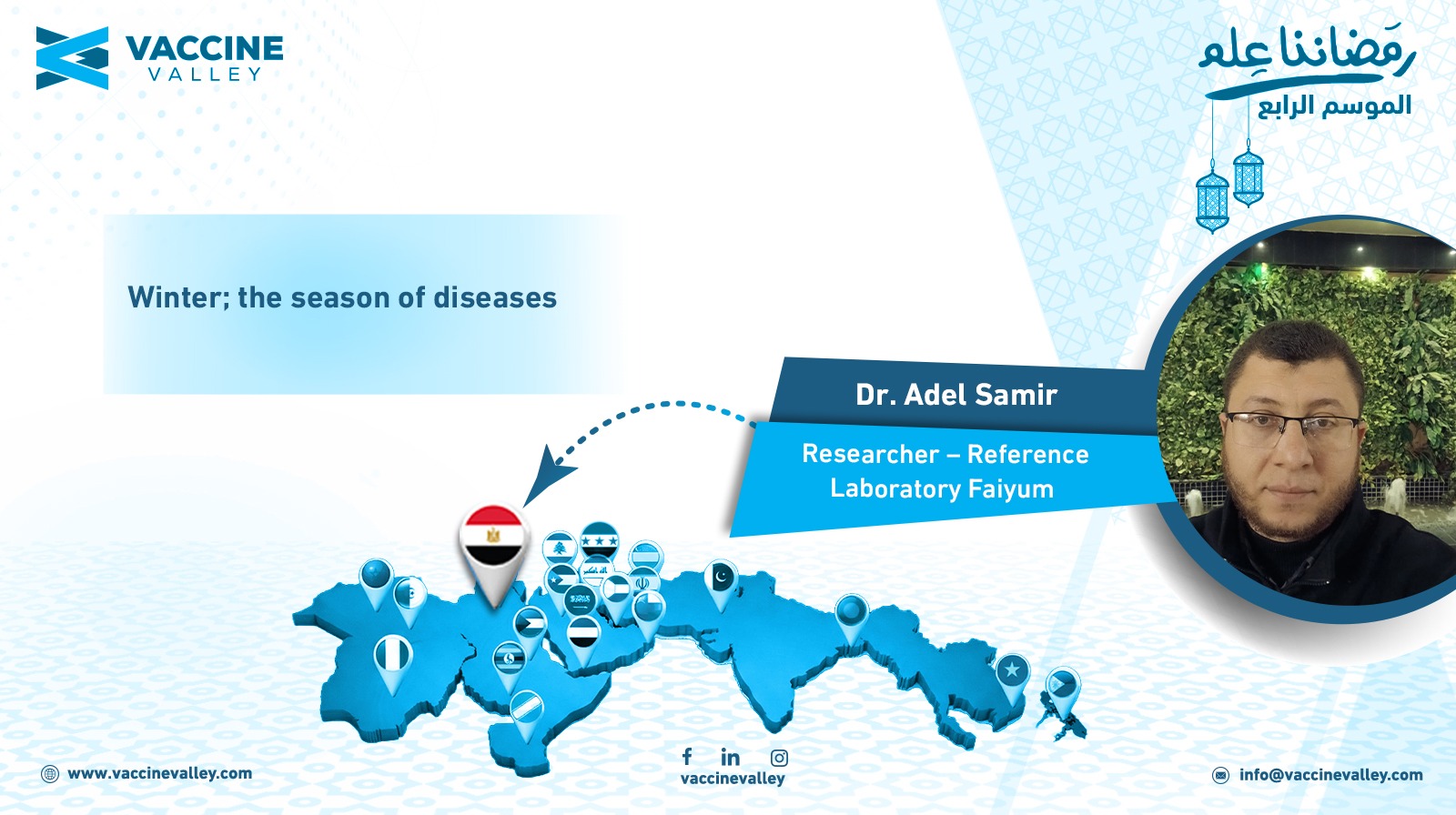
The poultry industry is currently undergoing challenging circumstances, particularly during the winter season, where viral infections and complications become prevalent in poultry houses. It is widely observed that the virulence and severity of diseases escalate during winter compared to other seasons of the year.
This may be attributed to weather fluctuations and the drop in temperatures occurring in winter, which create environmental conditions conducive to increased viral activity and replication, especially in intensive-rearing systems. Furthermore, the absence of biosecurity—which constitutes a vital part of the defense system—in many randomly distributed small-scale poultry houses plays a significant role in exacerbating the crisis.
All these factors, alongside others such as poor management and weak vaccination and sterilization programs, lead to the emergence of severe infections in broiler chickens. In most cases, mixed infections involving more than one virus simultaneously are observed; for example, H9+IB, ND+IB, or ND+IBD, and so forth.
The question remains: what measures must be followed to manage such problems facing broiler production? Is the solution solely providing the required vaccinations for diseases prevalent in the region?
Undoubtedly, the bird’s immune system is the first line of defense against diseases encountered during the rearing cycle. This necessitates maintaining this defensive line and considering all procedures that ensure the health and integrity of this system.
This requires us to observe all matters that guarantee protection against immunosuppressants that destroy the immune system and deplete its ability to confront the viruses and bacteria infecting the bird.
Among the most important procedures are:
Selecting a high-quality chick source free from pathogens transmitted vertically from the mother to the embryo.
Conducting laboratory examinations to confirm the flock’s freedom from viruses and bacteria transmitted from breeders.
Measuring the level of Maternal Derived Antibodies (MDA) at an early age to establish a robust and appropriate vaccination program that provides the required protection.
Protecting the flock from early infections that cause premature immune activation and failure in immune responses to vaccines.
Implementing strict biosecurity measures and powerful disinfection programs between production cycles.
These collective actions ensure the success of the vaccination program and reduce the viral load within the houses.
We recommend organizing educational seminars by specialized veterinarians and relevant authorities to raise awareness about the importance of these measures. This will help mitigate many field problems, thereby ensuring increased productivity and achieving higher profits for farmers.
Dr. Adel Samir
Researcher at the Reference Laboratory for Veterinary Quality Control on Poultry Production Fayoum