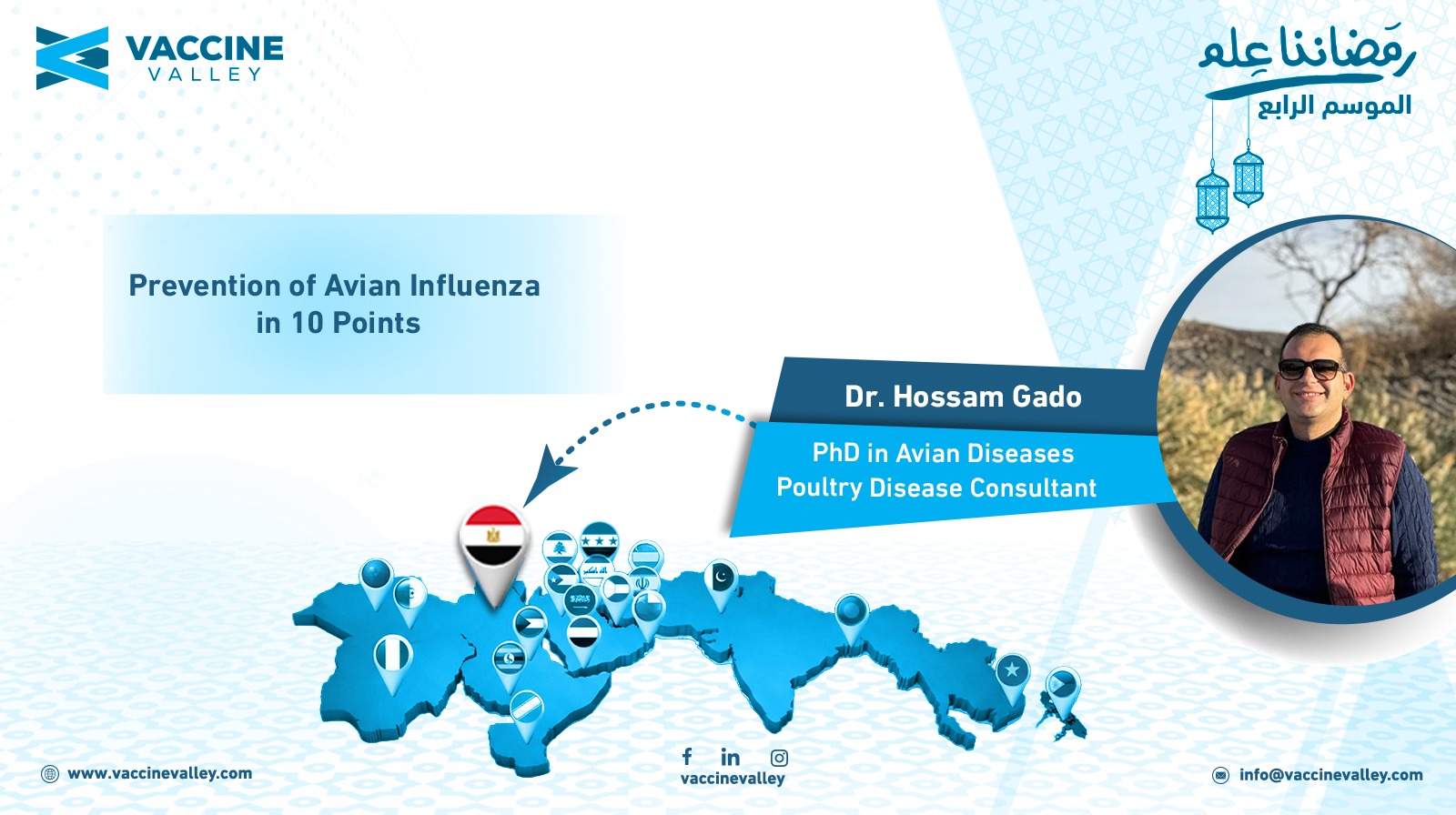
Strict Biosecurity Implementation: Enforce rigorous biosecurity protocols to prevent the introduction of the Avian Influenza Virus (AIV) into the farm environment.
Access Control: Prohibit entry to non-essential visitors and mandate site-specific protective clothing and footwear for every poultry house.
Regular Disinfection: Systematically disinfect equipment, vehicles, and all entry/exit points to maintain a sterile perimeter.
Age Segregation: Strictly adhere to the “All-in/All-out” management system; do not mix different age groups within the same production site.
Rapid Isolation and Disposal: Immediately isolate any birds suspected of infection and ensure the swift, hygienic disposal of carcasses (mortality).
Wild Bird Mitigation: Prevent any contact between commercial poultry and wild birds or domestic waterfowl (ducks and geese) to the greatest extent possible.
Personnel Movement Control: Restrict the movement of workers between different farms and assign a dedicated staff to each specific site to prevent cross-contamination.
Regulated Vaccination: Utilize only approved vaccines within a supervised program based on comprehensive risk assessment.
Serological Monitoring and Surveillance: Conduct periodic immune titer measurements to evaluate response; continuously monitor mortality rates and clinical symptoms for early detection of suspected outbreaks.
Sanitary Waste Management: Ensure the safe and biosecure disposal of litter, organic waste, and wash-water to prevent the environmental dissemination of the pathogen.